The Art of Interior Design: Unveiling the Secrets Behind Stunning Spaces
Black Label DesignsInterior design is more than just decorating a space; it's the art and science of enhancing the interior of a building to achieve a healthier and more aesthetically pleasing environment for the people using the space. It involves a harmonious blend of architecture, furniture, color, lighting, and other elements that come together to create a space that is both functional and beautiful.
The Importance of Interior Design in Modern Living
In today’s fast-paced world, our living and working spaces play a crucial role in our well-being. A well-designed interior not only enhances the aesthetic appeal of a space but also improves its functionality, making everyday life more comfortable and enjoyable. Whether it's a cozy home, a bustling office, or a luxurious hotel, interior design has the power to transform spaces and enrich lives.
The Evolution of Interior Design
Historical Perspective: From Ancient to Modern Interiors
Interior design has a rich history that dates back to ancient civilizations. From the opulent palaces of Egypt to the grand villas of Rome, each era has contributed to the evolution of design. In the 20th century, interior design began to take on a more defined role, with movements like Art Deco, Mid-Century Modern, and Minimalism shaping the way we approach interiors today.
The Influence of Culture on Interior Design
Culture plays a significant role in interior design, influencing everything from color schemes to furniture styles. For example, Japanese design emphasizes simplicity and nature, while Moroccan interiors are known for their vibrant colors and intricate patterns. Understanding cultural influences is key to creating spaces that are not only beautiful but also meaningful.
Core Elements of Interior Design
Space Planning and Layout
Space planning is the foundation of interior design. It involves arranging furniture and decor in a way that maximizes the functionality and flow of a space. A well-thought-out layout ensures that every inch of a room is used effectively, creating a balance between form and function.
Color Theory and Psychology
Color is a powerful tool in interior design, capable of evoking emotions and setting the tone of a space. Understanding color theory and psychology is essential for choosing the right palette. For example, blue is often associated with calmness, making it ideal for bedrooms, while red is stimulating and can be used in dining rooms to encourage conversation.
Furniture Selection and Arrangement
Choosing the right furniture is critical to the success of any design project. Furniture should not only complement the style of the space but also serve its intended purpose. The arrangement of furniture can also affect the flow and functionality of a room, making it important to consider factors like scale, proportion, and traffic patterns.
Lighting: Setting the Mood
Lighting is a key element in interior design that can dramatically change the look and feel of a space. Whether it's natural light, ambient lighting, or task lighting, the right illumination can enhance colors, highlight architectural features, and create a welcoming atmosphere.
Texture and Material Choices
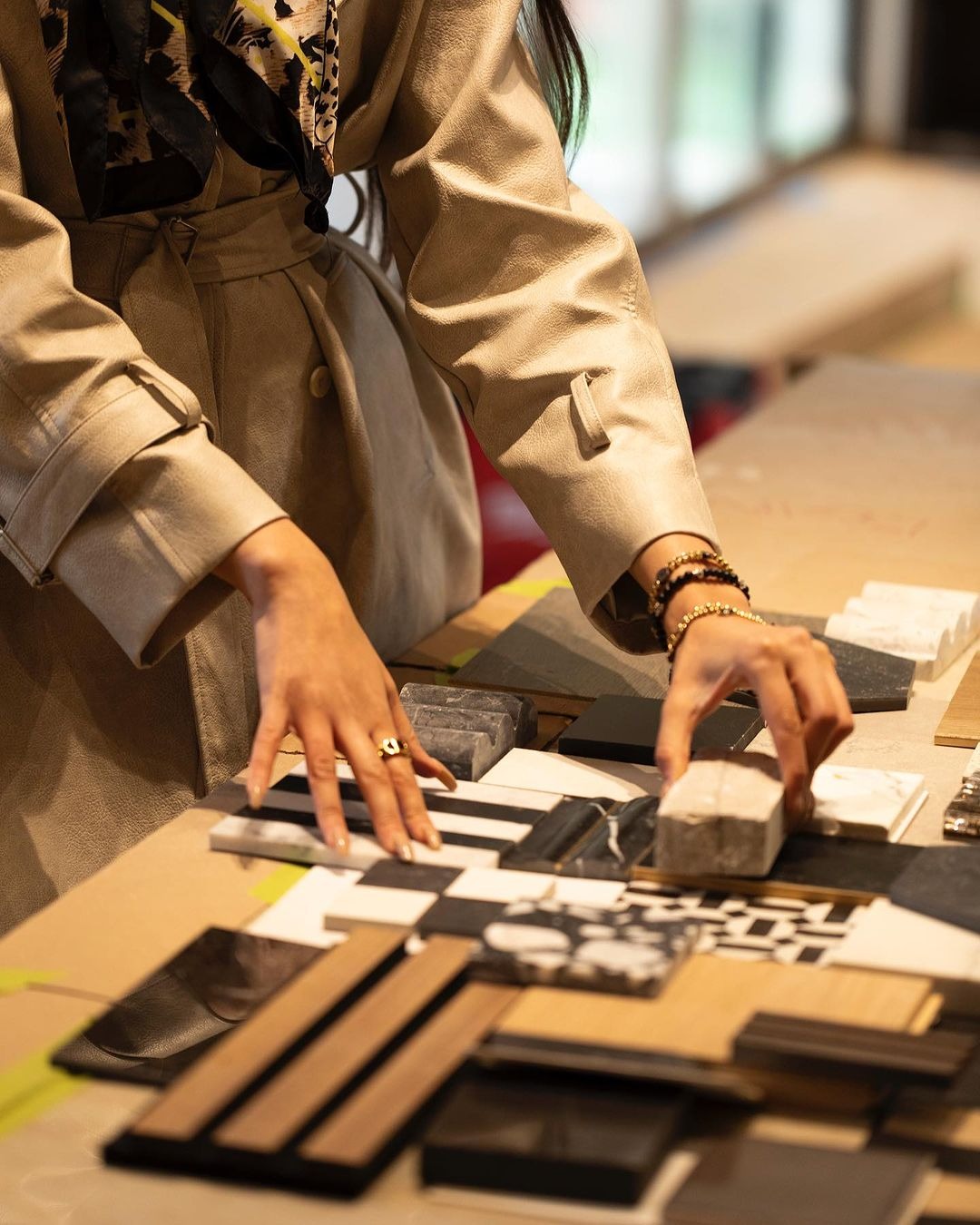
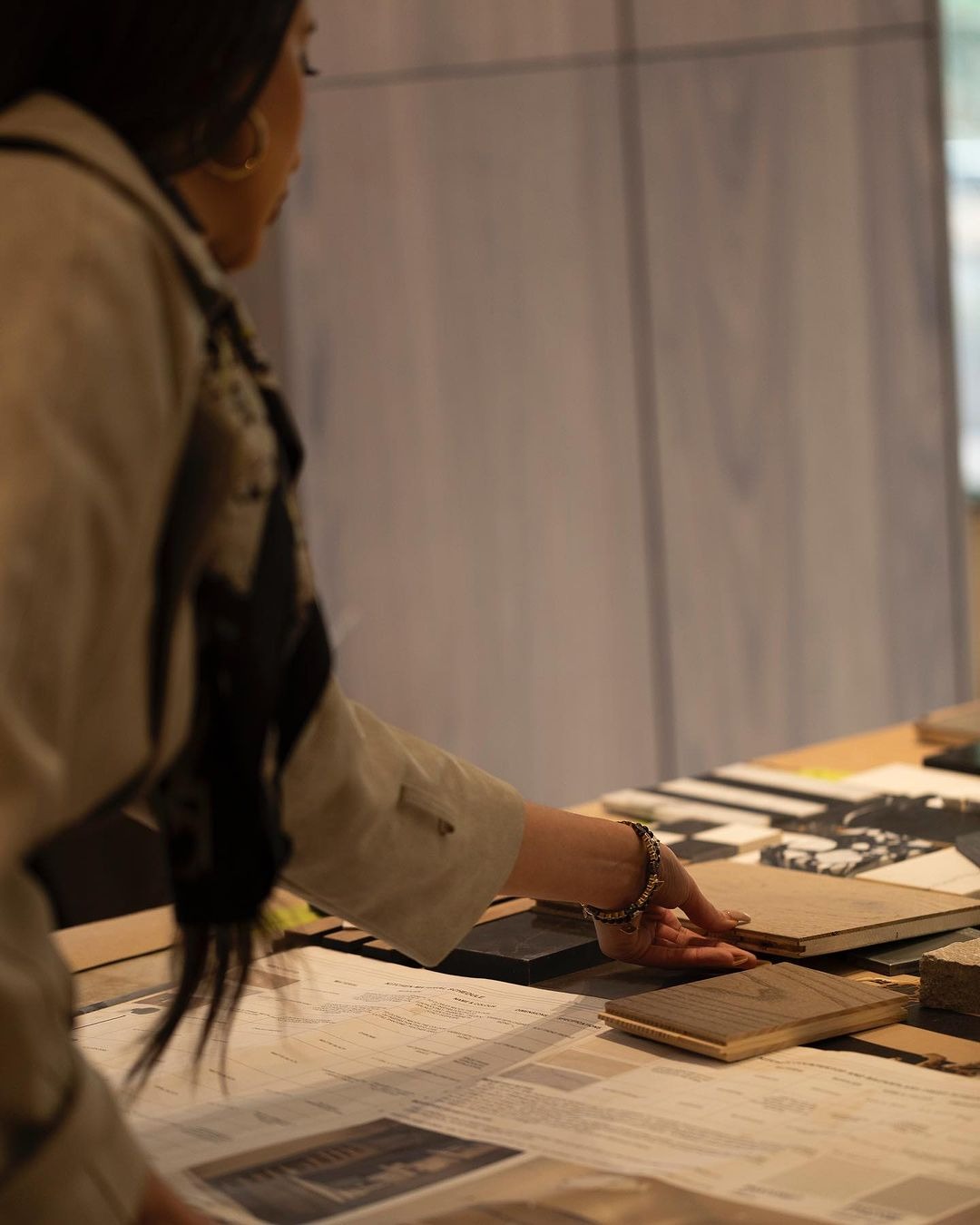
Texture adds depth and interest to a room, making it an essential component of design. Mixing different materials, such as wood, metal, and fabric, can create a tactile experience that adds warmth and character to a space. The careful selection of textures and materials helps to define the overall style of a room.
Popular Interior Design Styles
Modern Minimalism
Modern Minimalism is all about simplicity and clean lines. This style focuses on creating uncluttered spaces with a neutral color palette and sleek, functional furniture. It's perfect for those who prefer a calm, serene environment where less is more.
Industrial Chic
Industrial Chic combines raw materials like exposed brick, metal, and wood to create a space that is both rugged and refined. This style often features an open layout with large windows, high ceilings, and a mix of vintage and modern elements, giving it a cool, urban vibe.
Classic Elegance
Classic Elegance is a timeless style that exudes sophistication and luxury. It often features rich colors, ornate details, and high-quality materials like marble and silk. This style is perfect for those who appreciate traditional design with a touch of grandeur.
Bohemian Rhapsody
Bohemian Rhapsody is all about creativity and individuality. This eclectic style mixes vibrant colors, patterns, and textures to create a space that is full of life and personality. It's perfect for those who love to break the rules and create a unique, free-spirited environment.
The Role of Technology in Interior Design
Virtual Reality in Space Visualization
Technology has revolutionized the field of interior design, with tools like Virtual Reality (VR) allowing designers and clients to visualize spaces before they are built. VR can simulate different layouts, colors, and materials, making it easier to make decisions and avoid costly mistakes.
Smart Homes and Their Impact on Design
The rise of smart homes has had a significant impact on interior design. With the integration of technology like voice-controlled lighting, smart thermostats, and automated security systems, designers must now consider how these innovations fit into the overall design of a space.
Sustainability in Interior Design
Eco-Friendly Materials and Practices
Sustainability is becoming increasingly important in interior design. Eco-friendly materials like bamboo, reclaimed wood, and recycled metal are now being used to create beautiful, sustainable spaces. Designers are also adopting practices like energy-efficient lighting and water-saving fixtures to reduce the environmental impact of their projects.
The Rise of Upcycling and Recycling in Design
Upcycling and recycling are gaining popularity in interior design as more people seek to reduce waste and create eco-friendly spaces. By repurposing old furniture and materials, designers can create unique, one-of-a-kind pieces that add character and sustainability to a space.
Customization: Tailoring Spaces to Reflect Personality
The Power of Personal Touch in Interiors
One of the most exciting aspects of interior design is the ability to customize spaces to reflect the personality and lifestyle of the occupants. Whether it's through art, furniture, or color choices, adding a personal touch can make a space feel truly unique and special.
Custom Furniture and Décor
Custom furniture and décor allow for a high level of personalization in interior design. Whether it's a bespoke sofa or a hand-painted mural, custom pieces can elevate a space and make it feel truly one-of-a-kind.
Interior Design for Different Spaces
Residential Interior Design
Residential interior design focuses on creating comfortable and functional living spaces. From cozy bedrooms to stylish kitchens, residential design is all about making a home feel warm, inviting, and personalized.
Commercial Interior Design
Commercial interior design is all about creating spaces that are functional, efficient, and reflective of a brand’s identity. Whether it's an office, retail store, or restaurant, commercial design requires a balance between aesthetics and practicality to create a space that meets the needs of the business.
Hospitality Interior Design
Hospitality interior design focuses on creating welcoming and luxurious environments for guests. From hotels to restaurants, this type of design emphasizes comfort, style, and a memorable guest experience.
Set Design: Creating Cinematic Spaces
Set design is a specialized area of interior design that involves creating spaces for film, television, and theater. This type of design requires a deep understanding of storytelling and visual composition to create spaces that enhance the narrative and captivate the audience.
The Process of Working with an Interior Designer
Initial Consultation and Concept Development
The first step in working with an interior designer is the initial consultation, where the designer learns about the client’s needs, preferences, and budget. This is followed by concept development, where the designer creates a vision for the space, including color schemes, furniture layouts, and materials.
Design Development and Execution
Once the concept is approved, the designer moves on to design development and execution. This involves finalizing details, selecting materials, and coordinating with contractors and suppliers to bring the design to life.
Final Review and Project Handover
After the design is completed, the final step is the review and handover. The designer conducts a walkthrough with the client to ensure everything meets their expectations and provides any necessary adjustments before handing over the completed project.
Common Mistakes to Avoid in Interior Design
Overcrowding the Space
One of the most common mistakes in interior design is overcrowding a space with too much furniture or decor. This can make a room feel cramped and cluttered. To avoid this, focus on creating a balanced layout with enough open space to allow for easy movement.
Ignoring Functionality
While aesthetics are important, functionality should never be overlooked. A beautiful space that doesn’t meet the practical needs of its occupants is ultimately unsuccessful. Always consider how a space will be used and make sure the design enhances its functionality.
Neglecting Lighting
Lighting is often an afterthought in interior design, but it plays a crucial role in setting the mood and highlighting key features of a space. Make sure to incorporate a mix of ambient, task, and accent lighting to create a well-lit and inviting environment.
Interior Design Tips and Tricks for Homeowners
How to Maximize Small Spaces
Maximizing small spaces is all about smart planning and creative solutions. Consider using multifunctional furniture, like a sofa bed or a coffee table with storage, to make the most of limited space. Vertical storage solutions and mirrors can also help create the illusion of a larger area.
Choosing the Right Color Palette
When choosing a color palette, consider the mood you want to create. Neutral tones are versatile and timeless, while bold colors can add energy and personality. Don’t be afraid to mix and match colors, but make sure they complement each other to avoid a jarring effect.
Mixing Patterns and Textures Like a Pro
Mixing patterns and textures is a great way to add depth and interest to a room. The key is to start with a cohesive color scheme and then layer different patterns and textures within that palette. For example, you could pair a geometric rug with a floral throw and a velvet sofa, all in coordinating colors.
The Future of Interior Design
Emerging Trends in Interior Design
The world of interior design is constantly evolving, with new trends emerging all the time. Some of the latest trends include biophilic design, which brings nature indoors through the use of plants and natural materials, and the rise of flexible, multifunctional spaces that can adapt to different needs.
The Impact of Globalization on Design Aesthetics
Globalization has had a significant impact on interior design, leading to the blending of different cultural styles and aesthetics. Designers now have access to a wider range of materials, techniques, and inspiration from around the world, resulting in more diverse and eclectic interiors.
Conclusion: The Ever-Evolving World of Interior Design
Interior design is a dynamic and ever-evolving field that touches every aspect of our lives. From creating beautiful and functional spaces to reflecting our personalities and values, interior design plays a crucial role in shaping our environments and enhancing our well-being. Whether you're a homeowner looking to refresh your space or a professional designer seeking inspiration, the world of interior design offers endless possibilities.


Comments
Post a Comment